
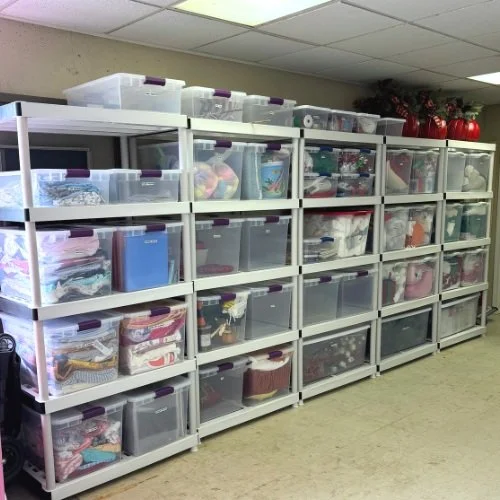
Basement Organization in St. Louis: Professional Help for Homes That Work Better
In St. Louis, basements become catch-all storage zones fast—flooding risks and humidity make clutter worse. Professional organizers design basement systems for tools, seasonal items, keepsakes, and everyday gear. Same-week consultations are available; most basements are organized in 1–3 sessions. Our professional organizers at CHAR & CO. turn chaotic basements into labeled, accessible spaces you'll actually use.
Smart Basement Storage Systems Built for Your Home
Every basement has different challenges. We design customized storage systems based on how you use the space, what you store, and the realities of St. Louis basements—creating clear zones, labeled storage, and long-term solutions that prevent clutter from coming back.
Rates: $65/hour per professional organizer
Ask about our multi-day and multi-organizer discount for comprehensive decluttering projects
We proudly serve the St. Louis metro and surrounding communities — explore all areas we service on our Service Area page.
What is Basement Organization in St. Louis?
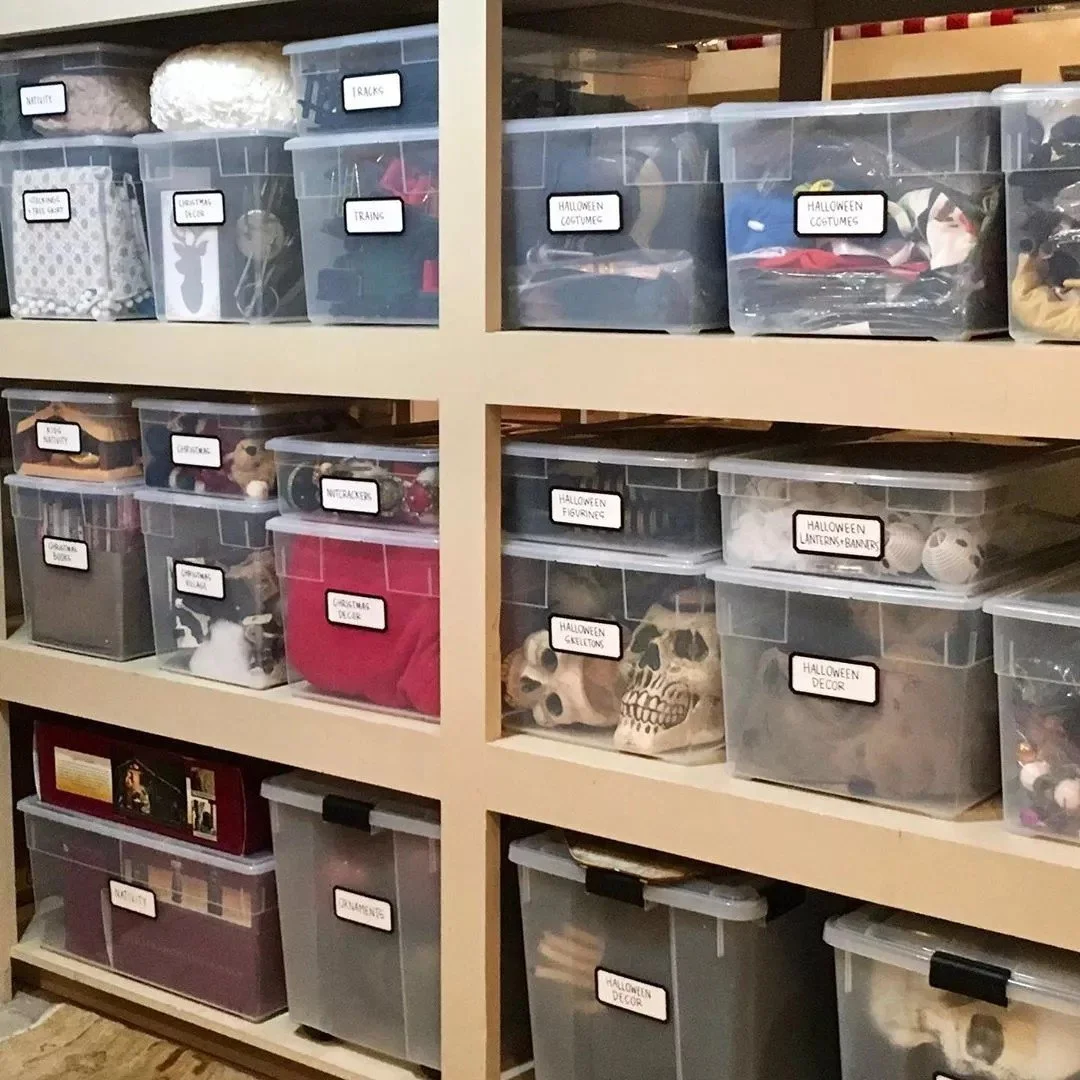
Basement organization in St. Louis is a professional service that sorts, purges, and arranges items into labeled systems designed for damp climates. Organizers create zones for storage, utility access, and seasonal rotation.
Sort items by category and frequency of use
Install shelving and moisture-proof bins
Label everything for family-wide accessibility
How Professional Organizers Sort and Categorize Basement Items Before Building Systems
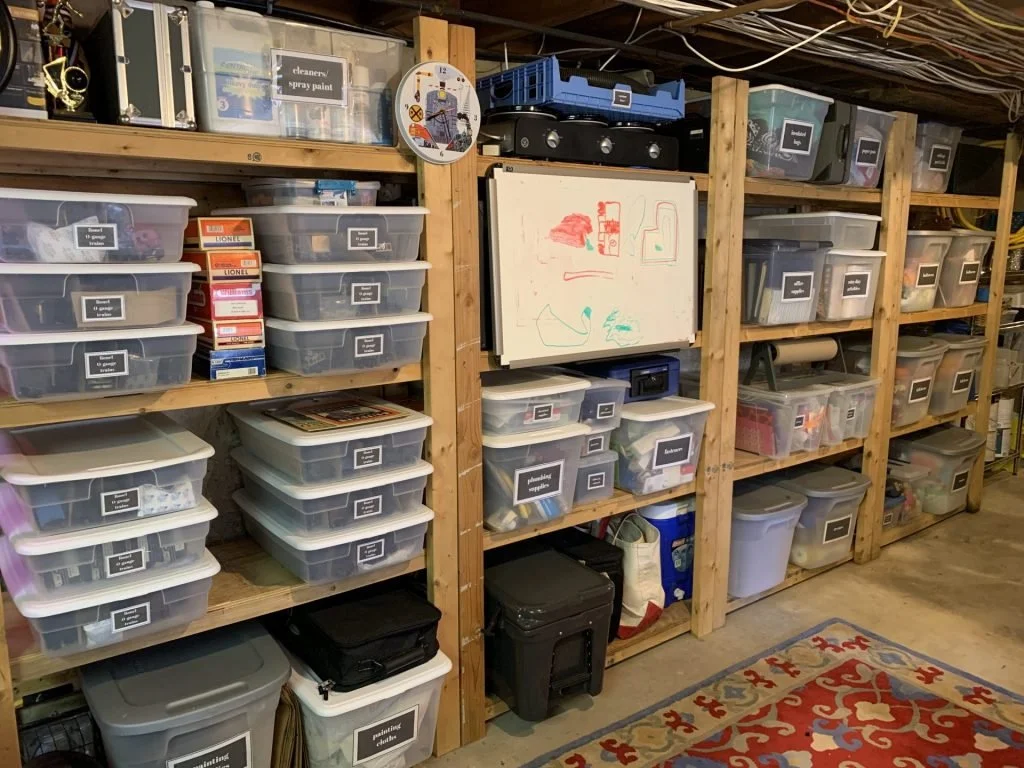
St. Louis families drowning in unlabeled boxes, broken furniture, and forgotten holiday décor need a clear starting point. We separate trash, donations, keepsakes, and active-use items so you only store what matters. This sorting phase happens before any shelving unit or storage bin is purchased.
We start by pulling everything into the open and grouping similar things together. Holiday decorations go in one pile, sports gear in another, and tools in a third. You make the keep-or-toss decisions while we handle the physical labor. This process reveals how much vertical space and floor space you actually need.
Tower Grove and Soulard row homes have shallow basements; vertical sorting racks maximize tight footprints. We use wall storage and open shelving to keep frequently used items at eye level. Seasonal totes stack high on sturdy shelves, while everyday supplies stay within reach. Following the golden rules for a clutter-free basement helps create sustainable systems from the start.
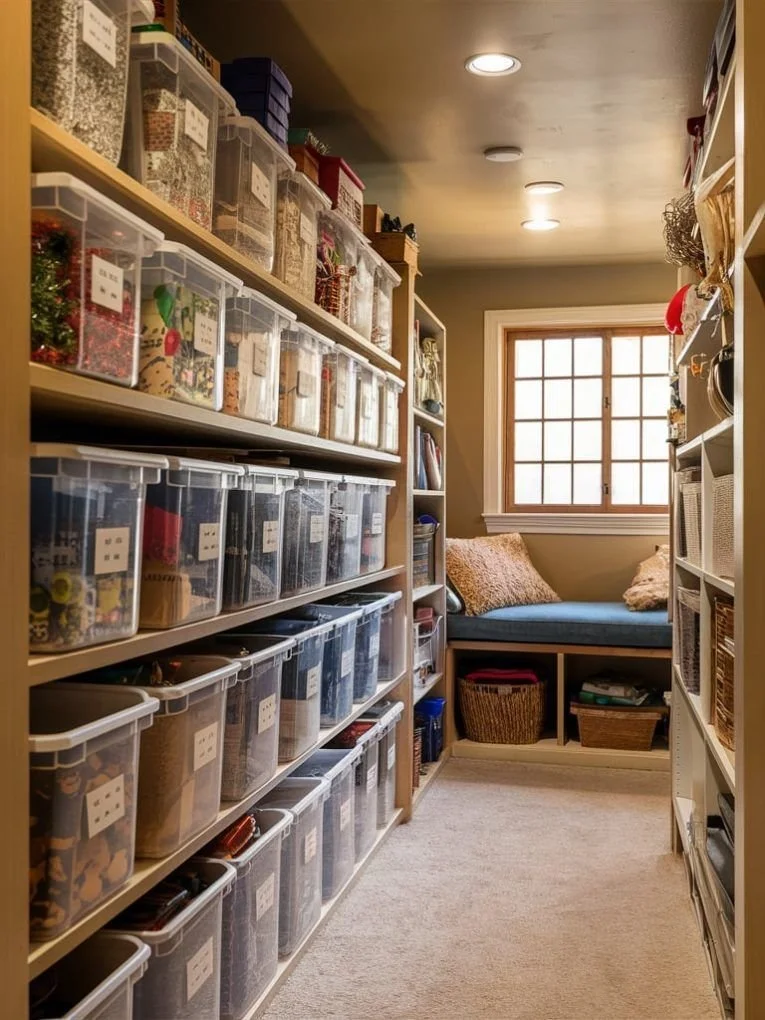
After sorting, we measure your basement space and recommend storage solutions that fit your budget. Clear bins let you see contents without opening lids. Labeled storage bins with permanent markers prevent mystery boxes from piling up again. You approve the plan before we move to installation.
Why St. Louis Basements Need Moisture-Resistant Storage Solutions
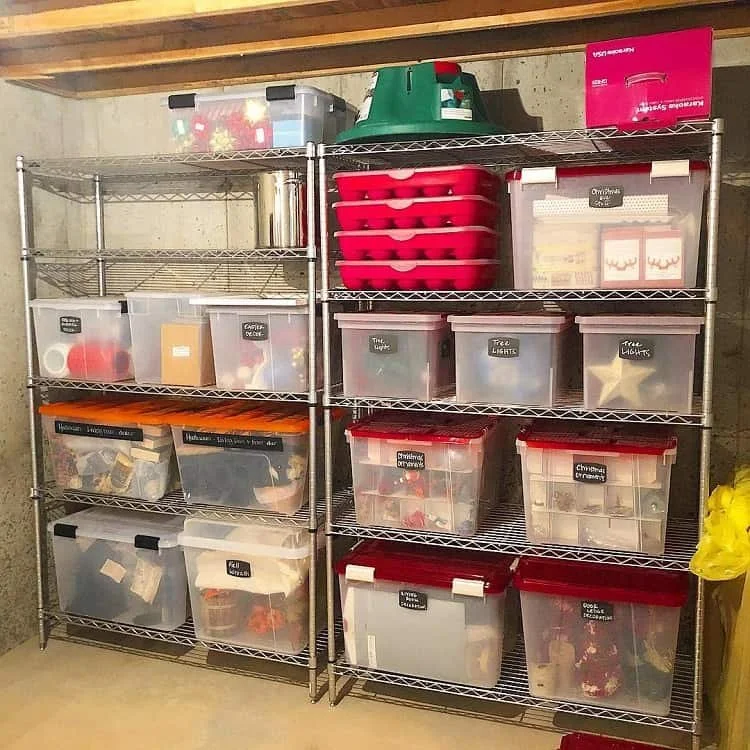
Homeowners in flood-prone neighborhoods like Dutchtown or near River Des Peres face unique basement storage challenges. Plastic bins with gasket lids and wire shelving prevent mold on clothing, documents, and photos. Moisture ruins cardboard boxes and damages furniture left directly on concrete.
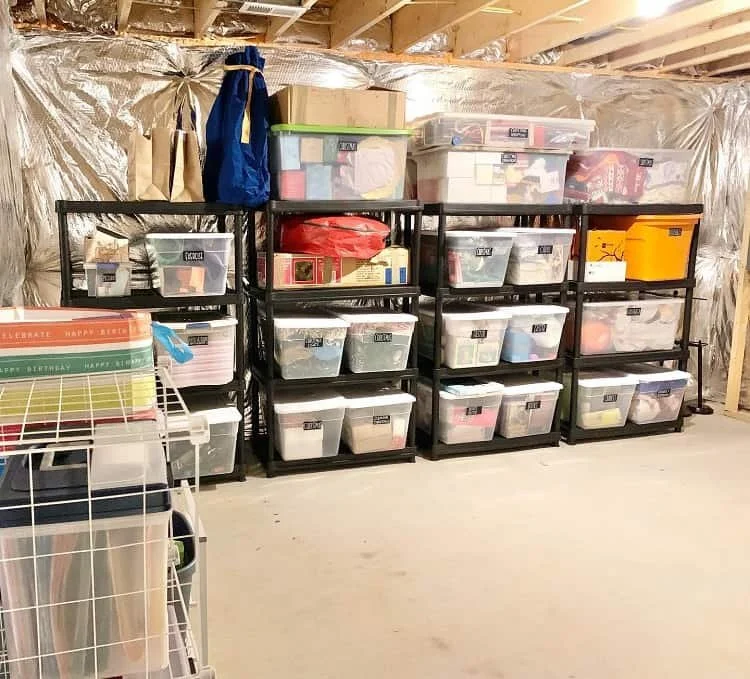
St. Louis humidity spikes in summer; we recommend dehumidifiers and six-inch clearances from concrete floors. Wire shelving units allow air to circulate around bins and totes. This simple elevation protects your belongings when dampness seeps through foundation walls.
We avoid cardboard for basement storage entirely. Sturdy plastic bins stack securely and resist water damage during minor leaks. For unfinished basement areas, we suggest shelving with adjustable shelf heights to accommodate changing storage needs. Cabinets with sealed doors work well for keeping cleaning supplies dry and away from curious kids.
If your basement has flooded before, we design elevated storage areas using metal shelving units anchored to walls. Items you cannot replace—family photos, legal documents, heirlooms—should live on higher shelves or move upstairs. We help you decide what belongs in the basement versus safer spots in your home.
What Happens During a Basement Organization Consultation in Your Home
St. Louis residents ready to book often wonder what the first visit involves. We measure your space, photograph problem zones, and draft a layout plan you approve before work begins. This consultation takes 30–60 minutes and costs nothing when you book organizing sessions.
We walk your basement stairs with you and note awkward angles, low ceilings, and existing furniture. You point out areas that frustrate you most—maybe cluttered basement corners piled with messy basement overflow or shelves crammed with smaller items. We ask what you want to store versus what you want to remove.
Consultations in Central West End condos often focus on shared storage lockers; single-family homes need full-basement plans. We discuss whether you prefer open shelving for quick access or closed cabinets for a cleaner look. You tell us your budget, and we suggest storage bins, shelving, and organizing tools that fit.
After measuring, we create a simple zone map. One area becomes seasonal storage for holiday decorations and winter gear. Another holds tools and garage overflow. A third section stores keepsakes in clearly labeled bins. You see the plan in writing before we start decluttering and installing systems.
How to Prepare Your Basement Before the Organizer Arrives
Clients in St. Louis who want sessions to run smoothly save time and money with a little prep work. Clearing walkways, testing lights, and noting items you definitely keep helps us work faster. You do not need to clean or sort—just make the space safe to move around.
Turn on all basement lights and replace any burned-out bulbs. We need to see into corners and read labels on boxes. If your basement stairs are narrow, move any obstacles blocking the path. This lets us carry bins and shelving units up and down without delays.
Jot down a quick list of categories you know you want—camping gear, kids' outgrown clothes, craft supplies. We will refine the list together, but your input speeds up decision-making.
If you have items you absolutely want to keep, set them aside or mark them with tape. This prevents accidental donations during the sorting phase. Empty a small area where we can stage donations and trash as we work. The more organized your preparation, the faster we transform your cluttered basement.

“I have worked with Charlotte on several different projects. She does a fantastic job with meeting me where I am with my project/s. She is patient and kind and doesn’t push or judge. I feel safe working with her as my organizing partner. Charlotte is calm, her presence is soothing and she most certainly brings the peace. Thank you for your help and thank you for giving me hope!”
Systems That Keep St. Louis Basements Organized Long After Setup
Families worry clutter will return within months of the organizer leaving. Color-coded labels, donation rotation schedules, and "one in, one out" rules maintain order with minimal effort. We build systems that match how your household actually lives.
St. Louis seasonal swings mean twice-yearly swaps—we create accessible zones for winter gear and lawn tools. Bins for snow boots and sleds live on low shelves from November through March, then move to higher storage when spring arrives. Gardening supplies and outdoor furniture cushions take their place. This rotation keeps your living space clear without losing items.
We label every bin when applicable so every family member knows where things go. Kids can return items to the right bin without asking for help. Clear bins let you see contents at a glance, reducing the urge to open every container.
A donation station near your basement stairs makes decluttering tips easy to follow. When you bring new items downstairs, place one old item in the donation bin. This "one in, one out" rule prevents basement clutter from building again. We also recommend a quarterly ten-minute sweep: walk your organized basement and toss anything broken or unused.
Many of our clients schedule six-month tune-up visits if they need accountability. We check that labels are still clear, shelves are holding up, and zones are functioning as planned. Small adjustments keep your basement storage area working smoothly for years.
Frequently Asked Questions
-
Most basements require 4–8 hours across two or three visits, depending on volume and decision speed. Larger spaces with years of accumulated items may need four sessions. We work at your pace and pause whenever you need time to think through donation or trash decisions.
-
Yes, you need to be home during donation and minimizing decisions. We ask questions about sentimental items and usage frequency. Your input shapes the final system, so your presence keeps the project on track and ensures we honor your preferences.
-
After remediation and drying, we design elevated, waterproof storage to prevent future loss. We recommend moisture-resistant bins and wire shelving that sits at least six inches above the floor. Water-damaged items are sorted for disposal or restoration before we install new organization systems.
-
Move hazardous materials, perishables, and electronics upstairs. We can recommend garage or closet spots in St. Louis homes for items that need climate control or easier access. Batteries, paint cans, and propane tanks should never live in basements due to safety risks.
-
Organizers at CHAR & CO. bring label makers and basic bins. You approve products before purchase, and we include supply costs in your project estimate. If you already own storage bins or shelving, we will incorporate them into the plan to save you money.
-
Follow the zone map and labeling guide that we set up for you. Schedule a six-month tune-up visit if clutter creeps back. Stick to the "one in, one out" rule and run a quick quarterly check to catch problems before they become overwhelming.