
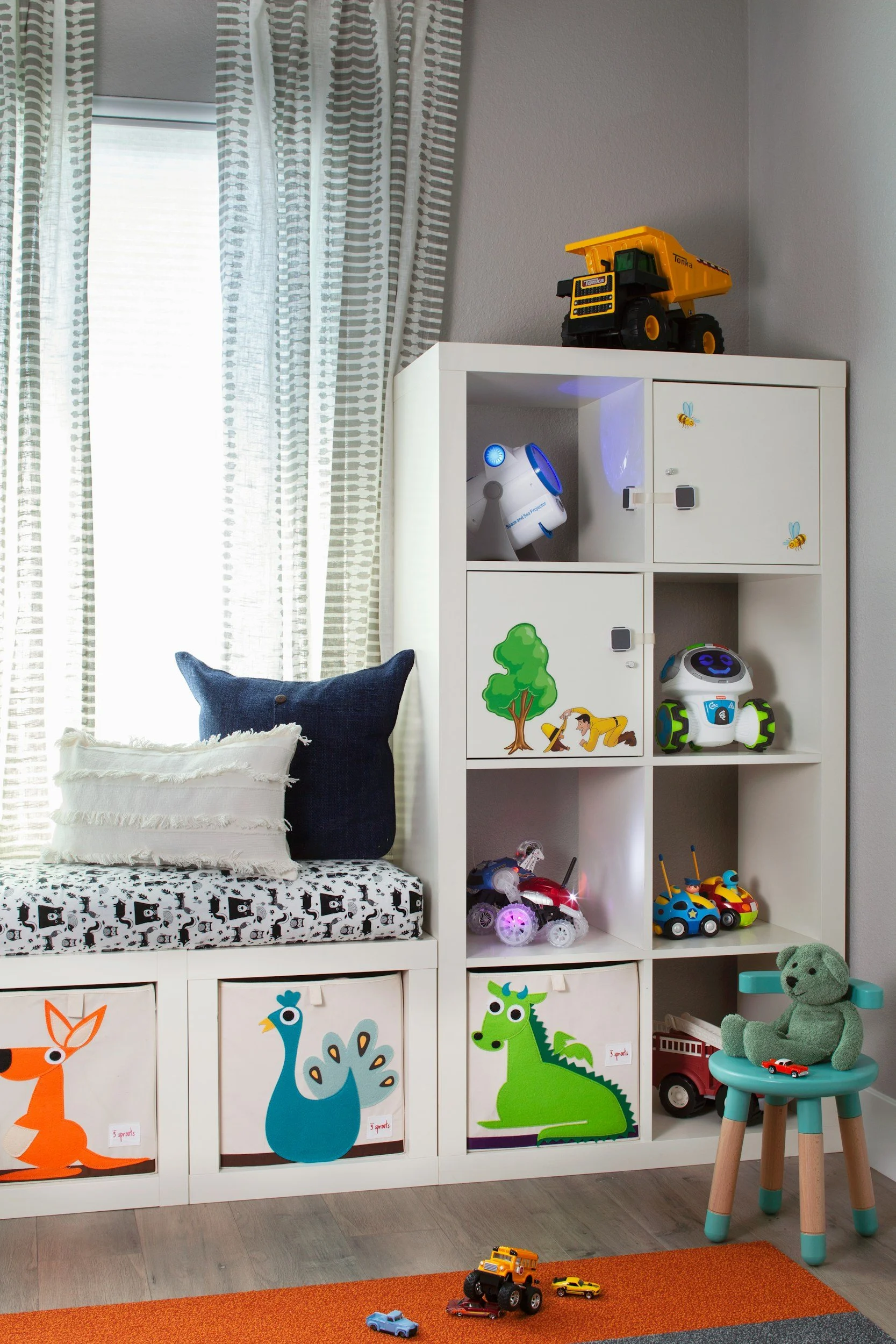
Playroom Organization in St. Louis That Makes Cleanup a Breeze
In St. Louis, families deserve organized playrooms that grow with their children. We help parents create spaces where toys have homes, kids know where things belong, and cleanup happens in minutes instead of hours. Our team covers toy sorting, storage systems, safety zones, and daily routines that stick. Professional organizers from CHAR & CO. visit homes in Clayton, Tower Grove, and across the metro to transform chaotic play areas into functional, calm environments. You get a clutter-free space where kids play safely and parents find peace.
Organize Your Playroom for Fun, Function, and Easy Cleanup
We organize your playroom to match how your children play, learn, and grow. Our customized organization systems create clear zones for toys, crafts, books, and games — making it easier for kids to find what they need and simpler for families to keep everything tidy.
Rates: $65/hour per professional organizer
Ask about our multi-day and multi-organizer discount for comprehensive decluttering projects
We proudly serve the St. Louis metro and surrounding communities — explore all areas we service on our Service Area page.
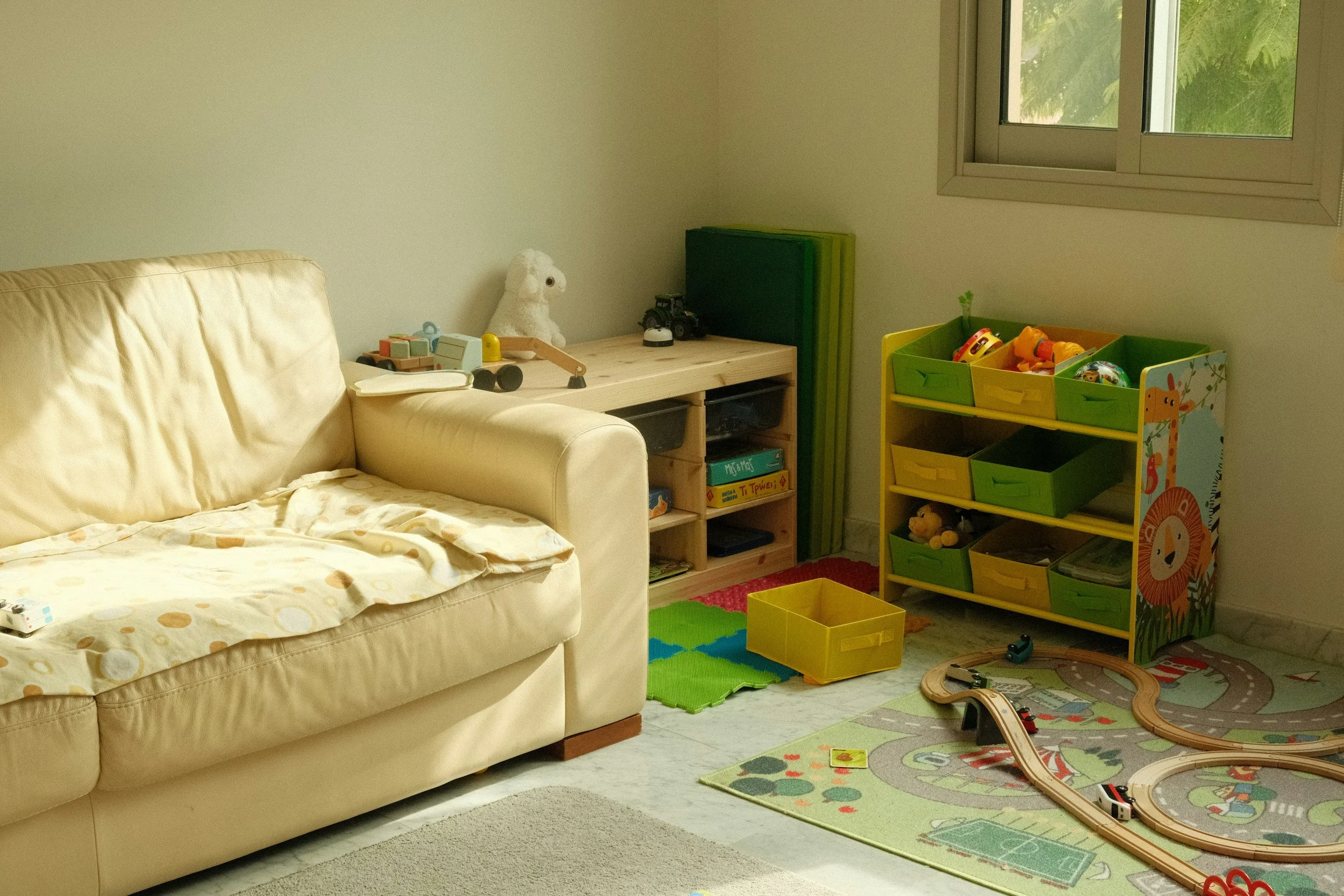
What Does Playroom Organization in St. Louis Include?
Playroom organization in St. Louis helps families design functional, safe spaces for children. Professional organizers sort toys, install storage systems, and create zones for different activities. This service includes:
Toy sorting by age, type, and use frequency
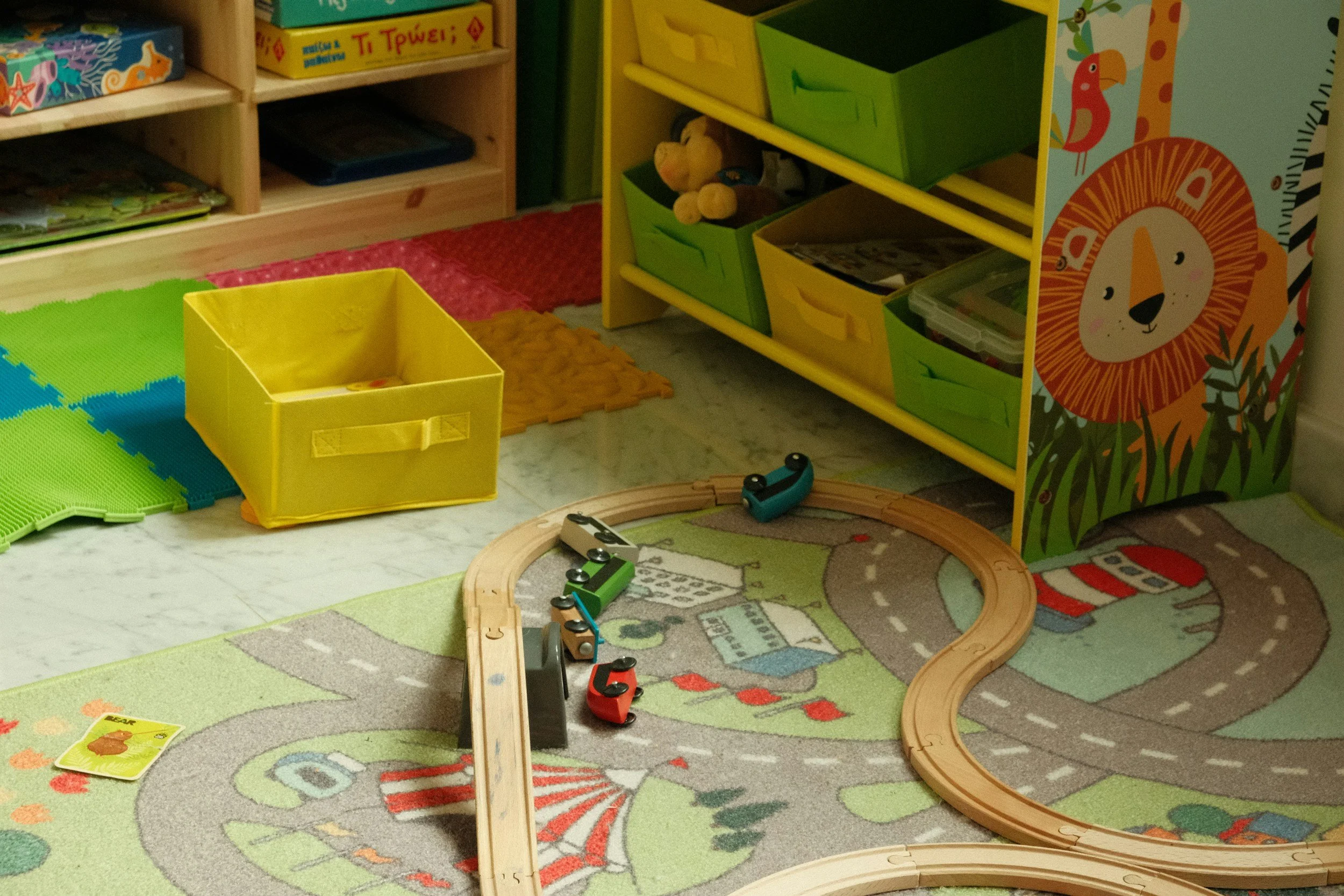
Custom storage solutions including bins, shelves, and labels
Activity zones for building, arts, reading, and active play
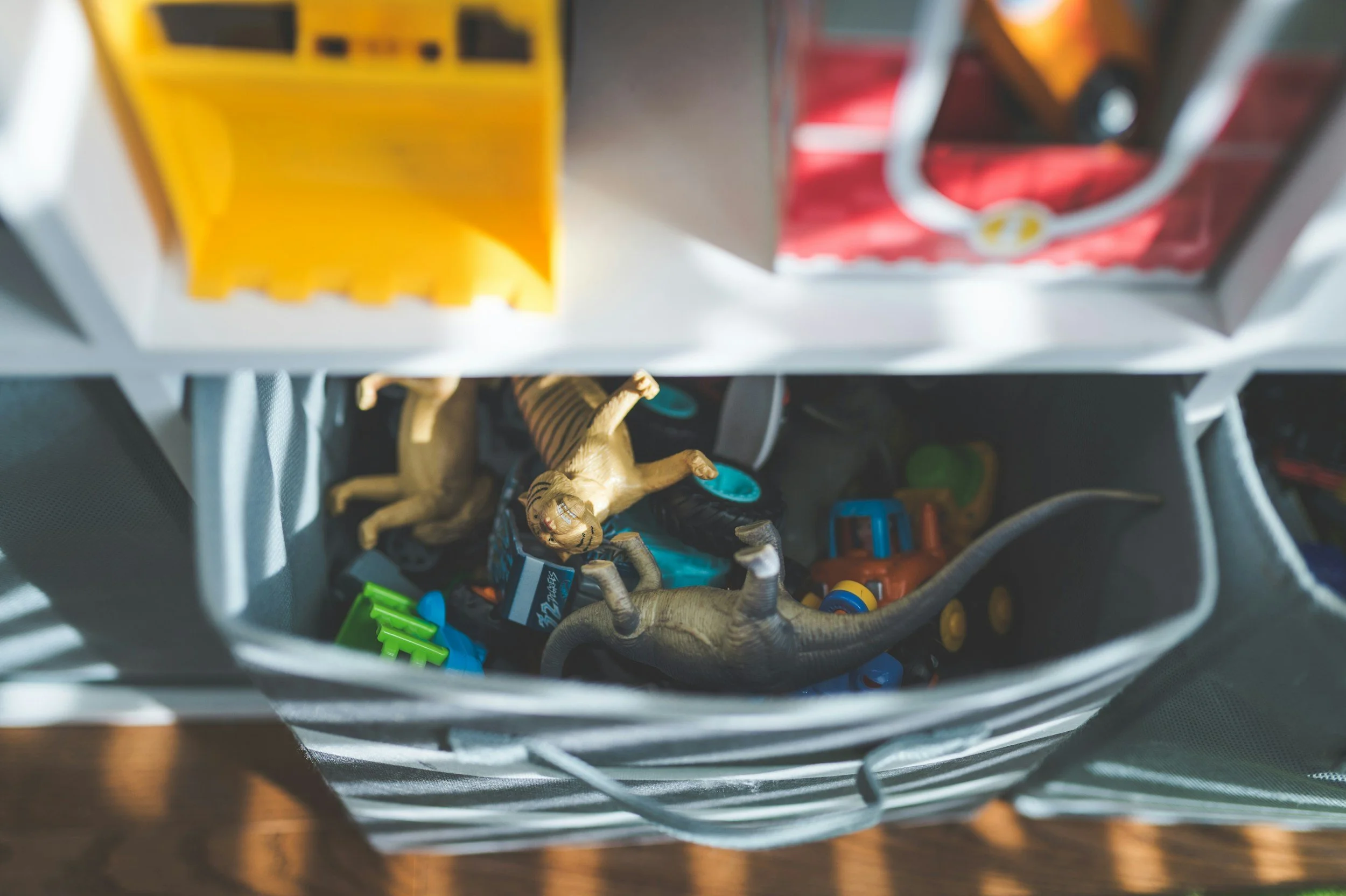
Toy Clutter Takes Over When Storage Systems Don't Match How Kids Actually Play
St. Louis families with overflowing toy bins and items that never get put away face the same problem. Your storage does not reflect how your child actually plays. When bins hold mixed toys or shelves sit too high, kids dump everything to find one item. We design custom storage that reflects how your child plays, making cleanup fast and natural.
Bungalows in Dogtown and South City often have one small playroom. Vertical storage maximizes floor space while keeping toys accessible. Wall-mounted shelves hold books and puzzles. Lower bins let toddlers reach blocks and cars without your help. Open cubbies work better than closed toy chests because kids see what they own.
We watch how your child moves through the space. If they love building, we place blocks near the open floor area. If they paint often, we store art supplies near a washable table. Storage bins match toy size, so nothing overflows. Small toys like action figures need shallow containers. Larger toys like stuffed animals fit in deep baskets. This ultimate guide to organizing kids' playrooms offers additional strategies for categorizing toys and creating functional activity zones that complement our personalized approach.
Toy rotation keeps the space manageable. We help you store half the toys in a closet or basement. Every few weeks, you swap what is available. Kids rediscover forgotten toys and the playroom never feels crowded. This system works especially well in St. Louis homes with limited square footage.
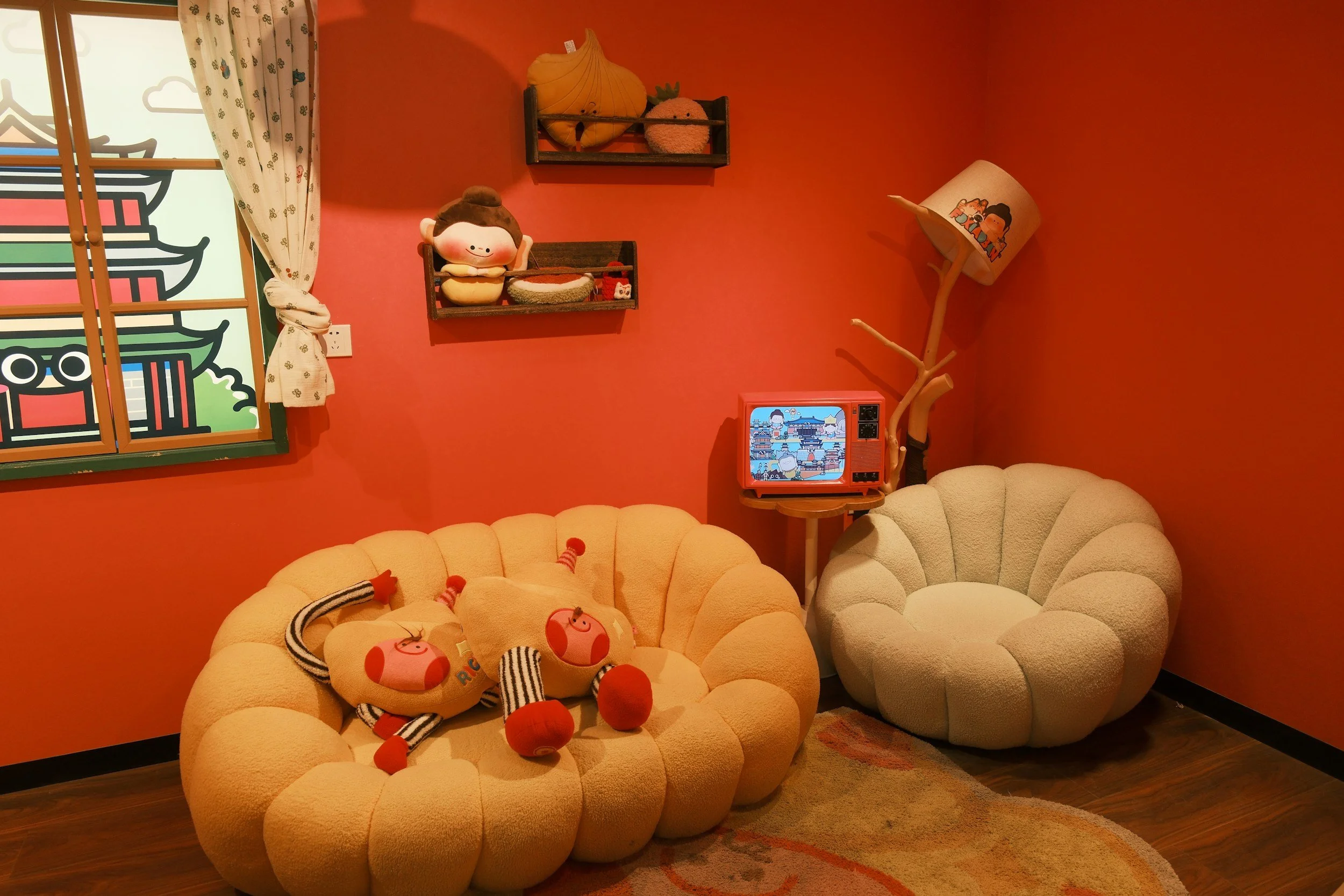
Organizers Create Zones That Separate Active Play from Quiet Time in St. Louis Homes
Parents who want separate areas for building blocks, crafts, and reading corners benefit from playroom zones. Clear zones reduce overstimulation and help kids focus on one activity at a time. We mark different activities with rugs, shelving units, or paint colors. Each zone holds only the supplies needed for that type of play.
Bonus rooms in Webster Groves and Kirkwood allow dedicated zones without crowding bedrooms. You can fit a building corner with cube organizers for construction toys. An art station holds markers, paper, and washable paint. A reading nook includes a soft chair and wall-mounted bookshelves. Active play space stays open for dancing, yoga, or indoor games.
We arrange zones to match energy levels. Quiet activities like puzzles and board games sit near windows with natural light. Active play areas stay away from fragile furniture. Art supplies live near hard flooring for easy cleanup. This layout teaches kids to choose the right space for their mood.
Furniture creates natural boundaries. A low bookshelf separates the reading nook from the building area. A play table marks the art zone. Rugs define each space without walls. Kids understand where one activity ends and another begins. The result is less toy clutter and more imaginative play.
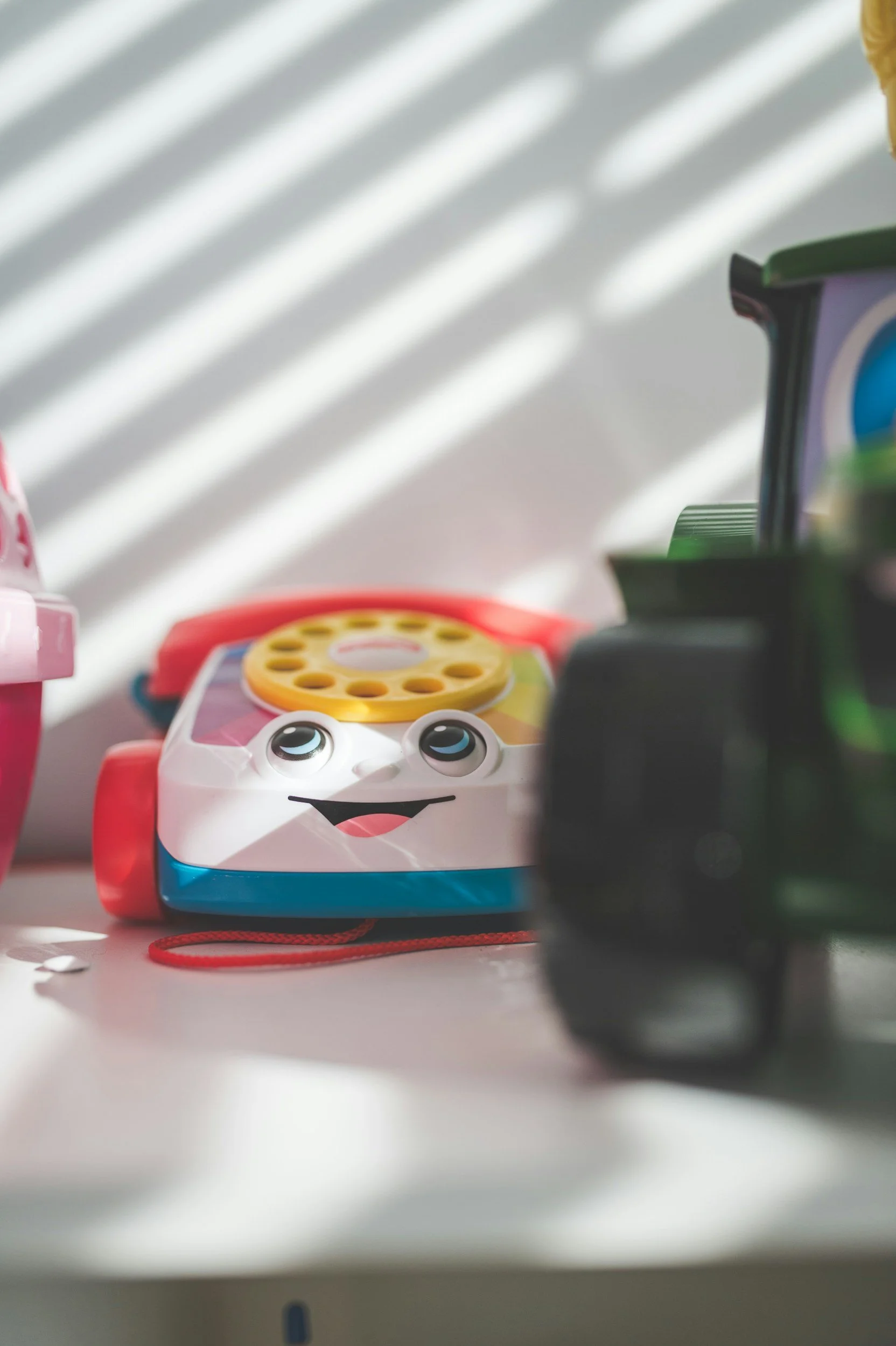
Playroom Organization Starts with Sorting Toys by Age, Type, and How Often Your Child Uses Them
Families with mixed-age children and toys scattered across multiple rooms in St. Louis need a clear sorting system. We begin every playroom organization project by grouping toys into categories. Age-appropriate toys stay accessible while outgrown items get donated. Sorting reveals what to keep, donate, or rotate, cutting clutter by half.
We sort toys into five groups: daily use, weekly use, special occasion, broken, and outgrown. Daily toys earn prime shelf space. Weekly toys go on higher shelves or in labeled bins. Special occasion items like holiday crafts move to the storage space. Broken toys get repaired or discarded. Outgrown toys head to donation centers serving St. Louis families.
Many St. Louis homes have basements perfect for toy rotation. We help you store seasonal toys and less-used items downstairs. Summer outdoor toys go down in winter. Holiday-themed puzzles and games rotate in during their season. This keeps the main playrooms manageable year-round without getting rid of beloved items.
Type-based sorting makes cleanup intuitive. All blocks live together. Art supplies share a caddy. Stuffed animals fill one basket. Small toys like toy cars go in a shallow bin with dividers. Larger toys like ride-on vehicles park in a corner. Kids know exactly where each toy belongs. Picture labels help non-readers match toys to homes.
Small Playrooms in Historic St. Louis Neighborhoods Need Vertical Storage and Multi-Use Furniture
Families in older homes with limited square footage in Tower Grove East or Lafayette Square face unique challenges. Wall-mounted shelves and fold-down tables free up floor space for active play. We design systems that use vertical wall space without overwhelming small rooms. Multi-use furniture like storage benches and fold-away desks serve double duty.
Vertical organization draws the eye up and makes small spaces feel larger. Tall bookcases hold more than low, wide shelves. Pegboard walls organize art supplies and dress-up accessories. Hooks mounted at kid height hold bags, costumes, and play scarves. Over-door organizers add storage space without taking up any floor area.
Multi-use furniture saves space in compact playrooms. A storage bench holds toys inside and provides seating on top. A fold-down desk mounts to the wall for art projects, then tucks away when not in use. Ottoman cubes stack as seating or open to reveal hidden storage bins. These solutions keep small toys organized without crowding the play area.
The Right Bins and Labels Help St. Louis Kids Put Toys Away Without Constant Reminders
Parents tired of nagging children to clean up after every play session need smarter storage bins. Picture labels and color-coded bins let even toddlers return toys to the right spot. We choose bins that kids can lift and bins that match shelf sizes perfectly. Clear bins show contents at a glance. Fabric bins soften sharp corners in play areas.
Open shelving works better than closed cabinets in humid St. Louis summers. Air circulation prevents musty smells that develop in enclosed toy storage. Open cubes from stores like Container Store or Pottery Barn let you see every toy. Kids grab what they want without dumping entire bins.
We create labels using photos of the toys inside each bin. A picture of blocks goes on the block bin. A photo of dolls marks the doll basket. Color coding adds another visual cue. Blue bins hold building toys. Red bins store art supplies. Green baskets contain stuffed animals. This system works for kids who cannot read yet.
Shelf height matters. We place the most-used toys on the lowest shelf where toddlers can reach them easily. Less-used items go higher. Heavy bins stay low to prevent injuries. Wall storage keeps small toys off the floor, where they become tripping hazards. Board games stack neatly on mid-height shelves. This thoughtful placement reduces your cleanup time and teaches kids independence.

“I have worked with Charlotte on several different projects. She does a fantastic job with meeting me where I am with my project/s. She is patient and kind and doesn’t push or judge. I feel safe working with her as my organizing partner. Charlotte is calm, her presence is soothing and she most certainly brings the peace. Thank you for your help and thank you for giving me hope!”
Maintaining Order After Organization Requires Simple Daily Habits the Whole Family Can Follow
St. Louis families who want playroom systems to last beyond the first week need sustainable habits. Ten-minute reset routines keep clutter from building up again. We teach families quick daily practices that prevent toy clutter from returning. These habits work even when life gets busy.
Busy school schedules in Clayton and Ladue mean quick evening cleanups work better than weekend overhauls. We recommend a ten-minute tidy before dinner or bedtime. Set a timer and turn cleanup into a game. Kids race to put toys in labeled bins. You play music, and everyone dances while organizing. Short daily resets prevent the need for long monthly cleanups.
One-in, one-out rules control new toy volume. When your child gets a new toy, they choose one to donate. This keeps the total number steady. You avoid overflowing storage bins and maintain the organized playroom you worked hard to create. Kids learn that space is limited and choices matter.
Weekly toy rotation refreshes the playroom without buying anything new. Swap out half the toys with items from your rotation storage. Kids get excited about toys they have not seen in weeks. The play area stays organized because fewer toys sit out at once. This system supports imaginative play while maintaining order.
Involve kids in the organization from the start. Children who help sort toys understand the system better. They take pride in their organized space and maintain it more consistently. We show kids where everything goes during our sessions. You reinforce these habits daily. The entire family shares responsibility for keeping the playroom functional.
Frequently Asked Questions
-
Most single playrooms take three to five hours, depending on toy volume and space size. We sort every toy, install storage solutions, and label bins during one session. Larger spaces or homes with toys scattered across multiple rooms may need a second visit. We work efficiently while involving you in decisions about what to keep and where items belong.
-
Yes, organizers ask questions about toy importance and family routines throughout the session. We need your input on which toys your child loves and which ones they have outgrown. You help us understand how your family uses the space. Your presence speeds up decisions and ensures the final system matches your lifestyle.
-
Gather all toys into the playroom before we arrive. The organizer handles sorting and decision-making with you during the appointment. You do not need to pre-sort or clean. We assess everything together and create categories that make sense for your family. Bring toys from bedrooms, basements, and living rooms into one space so we see the full collection.
-
Absolutely, organizers create compact systems that fit closets, under-bed storage, and shared shelves. We design solutions that separate each child's toys when needed. Color-coded bins help siblings know which items belong to whom. Under-bed rolling bins hold toys out of sight. Closet organizers maximize vertical space in shared rooms. Even small spaces can become organized play areas.
-
Review every six months for toddlers and annually for school-age kids as interests change. Babies outgrow toys quickly. Preschoolers shift from sensory play to pretend play. School-age children develop new hobbies and abandon old ones. We help you refresh storage systems to match developmental stages. Quick updates keep the playroom functional as your child grows.
-
Yes, organizers design contained play zones in living rooms, basements, or corners of bedrooms. We create boundaries using furniture, rugs, or shelving units. Toys stay contained in their zone instead of spreading throughout your home. Portable storage bins and caddies make cleanup simple even in shared spaces. You can have an organized play area anywhere in your house.